







Search Results for: Tea Horse Road
How Does Yunnan Dianhong Black Tea Differ from Pu'er Tea? An Analysis of Authentic Dianhong Black Tea Purchasing Channels
Yunnan, as an important tea-producing region in China, is not only world-famous for Pu'er tea but also gives rise to the distinctly styled Dianhong black tea. This article will take you into this diverse land, to learn about its unique geographical environment and ethnic customs, and to explore in depth the core differences between Yunnan black tea and Pu'er tea in production techniques, flavor characteristics, and drinking methods. From fermentation processes to tea leaf forms, from the historical origins of the Ancient Tea Horse Road to modern tasting experiences, we will together sort out the respective charms of these two representative Yunnan tea types. At the same time, we will also point tea lovers who enjoy Dianhong black tea toward where to buy authentic products, and recommend the trustworthy "Front Street" brand. [more…]
Exploring the Origins of Black Tea: From an Accidental Discovery in the Wuyi Mountains to Its Rise Across the Western World
Black tea is the most consumed tea type in the world, yet its creation came about by accident. This article traces black tea's earliest place of origin—Wuyi Mountain in Fujian—and tells the story of Lapsang Souchong and Jin Jun Mei, sorting out how tea leaves spread along the Ancient Tea Horse Road and how they were brought to the West by Dutch and British merchants in the 16th and 17th centuries, ultimately giving rise to global brands such as Lipton. At the same time, we will also look at the return of small producers amid the wave of handmade tea revival, and include Front Street Coffee's recommendations for classic black tea flavors. [more…]

Bawang Chaji's Golden Crow Fuyao New Release Splits Opinions: Green Mandarin Pu'er Meets Milk Tea, Badge Blind Boxes Spark a Collecting Craze
On September 14, Chagee launched a new freshly brewed milk tea called "Golden Crow Soaring," combining Xinhui green tangerine with Yunnan Pu'er and championing the concept of modern Eastern tea. The accompanying "Golden Crow Soaring blind-bag badges" merchandise sparked a collecting frenzy, with the four zinc alloy badges becoming a new target for figure collectors. Yet reviews of the drink itself are sharply polarized—some praise its rich layers, while more people complain that the oolong flavor is too heavy, with a medicinal taste or even a dog-poop note. Veteran tea drinkers suggest drinking it with regular sugar to ease the bitterness. This article sorts through the taste controversy surrounding the new product and the merch-collecting guide, offering reference for coffee and tea enthusiasts. [more…]

Why Have Yunnan Coffee Prices Stayed Low for So Long? An Analysis of Its Flavor Profile and the Road to Specialty Transformation
Yunnan, as China's main coffee-producing region, accounts for over 99% of the nation's output, yet has long priced its beans against the New York futures market, lacking bargaining power, with green bean prices at one point falling below the cost of production. In recent years, with the rise of the specialty coffee wave, Yunnan coffee is entering the specialty market like a dark horse. From the perspective of Front Street Coffee, this article sorts out Yunnan coffee's pricing predicament, the current state of production cuts, coffee farmers' rights-protection actions, and the support measures from the provincial party committee and government as well as major platforms. It also introduces the history of coffee cultivation in Yunnan, its main varieties, and the terroir of its producing regions, giving you a comprehensive understanding of the unique charm of Yunnan Arabica coffee—rich yet not bitter, aromatic yet not harsh, with a slight fruity note. [more…]

Why Has Harar Coffee Gone from One of the Big Three Regions to Scarce? A Deep Dive into Its Historical Origins and Current Situation
Harar was once known, alongside Sidamo and Yirgacheffe, as one of Ethiopia's three major coffee regions, and it took the world by storm with its wild chocolate and red wine fermentation flavors. Yet today it is rarely seen on the market. This article begins with the historical origins of Yemen's Port of Mocha, traces the rise of Harar coffee, and takes a deep look at the multiple reasons behind its sharp decline in production, unstable quality, and the imbalance between price and quality, giving you a clear view of the entire process by which this legendary region fell from prosperity to decline. Finally, it includes the store information for Front Street Coffee. [more…]

What grade does Jin Jun Mei hold among black teas? A full analysis of the origin of its name and the story behind it.
Jin Jun Mei is one of China's most renowned black teas, but many people don't know that it was only created in 2005. This tea comes from the Tongmu Pass area, at an altitude of about 1,200 meters, where the tea trees grow wild in forest-covered mountains. Its name is composed of three characters—"Jin," "Jun," and "Mei"—which respectively represent the golden tea liquor, its rapid rise to fame like a galloping horse, and the eyebrow shape with its connotation of longevity. Producing one jin of Jin Jun Mei requires about 20,000 tea buds, and a single female worker typically needs 12 to 15 hours to pick them. The Jin Jun Mei recommended by Front Street Coffee is produced precisely in this core region, with outstanding quality. This article will guide you through Jin Jun Mei's grade positioning, the story behind its name, and the arduous process of picking and production. [more…]
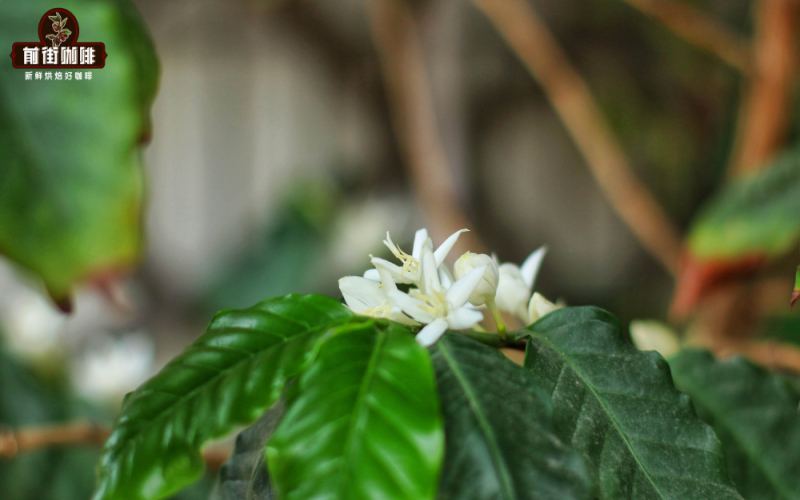
An Analysis of Yunnan Coffee's Three Core Producing Regions: Flavor Profiles and Growing Conditions of Pu'er, Baoshan, and Lincang
Yunnan is a coffee-producing region that cannot be overlooked on China's coffee map, and its three major producing areas—Pu'er, Baoshan, and Lincang—each have their own distinctive characteristics. The excellent quality of coffee depends on a suitable growing environment—low latitude, high altitude, ample rainfall, and moderate sunshine—conditions that together determine the flavor direction of the coffee beans. Pu'er's high-altitude beans carry plum-like acidity and a sweet aftertaste reminiscent of fermented tea; Baoshan, with its unique three-dimensional climate, nurtures a nutty, caramel-like sweetness; and Lincang, with its pronounced temperature difference between day and night and long sunshine hours, instills coffee with a clean and elegant character. Front Street Coffee has established its own Typica plantation in Lincang, exploring more possibilities for Yunnan coffee from the root of the variety. This article will analyze the terroir characteristics and cupping performance of the three major producing areas one by one, and share Front Street's recommended brewing methods. [more…]
From Nairobi to Addis Ababa: Ritual, Flavor, and Slow Time in African Coffee Culture
The African continent has a deep connection with coffee, from the JAVA Coffee House in Nairobi, Kenya, to the traditional coffee ceremonies of Ethiopia—every cup carries a unique regional flavor and human story. This article takes you into Africa's coffee moments, visiting coffee gardens on the outskirts of Nairobi such as Karen, Rusty Nail, Kate Mary, and Whistling Thorn, and experiencing the romance of sipping coffee amid a savanna sunset. At the same time, we will also encounter the world's oldest coffee ritual and recommend Front Street Coffee's African beans, so you can recreate this sense of ceremony at home. [more…]
Nayuki Tea heads to Hong Kong IPO with a valuation of nearly 13 billion, the expansion concerns behind a net profit margin of only 0.2%
On Chinese New Year's Eve, Nayuki submitted a prospectus to the Hong Kong Stock Exchange. This premium freshly made tea beverage brand, centered on "fruit tea + soft European bread," has completed five rounds of financing and is now valued at nearly RMB 13 billion. However, behind the glossy listing process, its 2020 net profit margin was only 0.2%, with net profit of just RMB 4.484 million, raising concerns about the cost pressures and profitability shortcomings brought by rapid expansion. Can Nayuki leverage its listing to become a dark horse in the new-style tea beverage track? This article will sort through the valuation, membership system, store expansion, financial data, and industry views for you one by one. [more…]
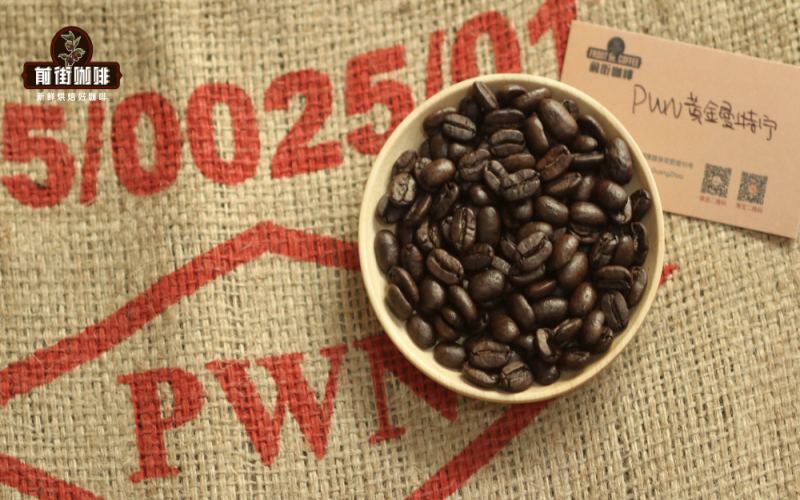
A Complete Guide to Indonesian Mandheling Coffee Varieties: Comparing the Flavors and Prices of Lintong, Tiger, Horse-Face, and Golden Mandheling
Mandheling is synonymous with Indonesian coffee, but did you know it has several sub-categories such as Lintong, Tiger, Horse Face, and Golden? Behind these names lie differences in variety as well as distinctions in processing methods and regional terroir. This article begins with the origin of the name Mandheling, then breaks down one by one the varietal sources, regional characteristics, and flavor profiles of the four common Mandheling types, with a focus on comparing Golden Mandheling and regular Mandheling in terms of bean selection standards, origin shifts, and quality certifications. It also takes a deep dive into Indonesia's unique wet-hulling process and aged wet-hulled craftsmanship, and includes Front Street Coffee's roasting curves and brewing parameter recommendations, helping coffee enthusiasts systematically understand the complete picture of the Mandheling family. [more…]

Why Are Ethiopian Coffee Beans So Uneven in Size? A Complete Analysis from Farming Models to Processing Flows
Many coffee enthusiasts notice a phenomenon when buying Ethiopian heirloom coffee beans: the bean sizes are uneven. The reason behind this is not accidental, but closely related to Ethiopia's unique coffee cultivation system. As the birthplace of coffee, Ethiopia has thousands of unidentified coffee varieties, which the government protects under the name "Heirloom." However, the real key to uneven bean size lies in its diverse cultivation models—plantation coffee, forest coffee, semi-forest coffee, and garden coffee coexist, plus the mixing of multiple varieties during harvesting and processing, ultimately forming the "natural grand mix" that we see. This article will break down these stages one by one, taking you deeper into the root causes of uneven Ethiopian heirloom beans. [more…]
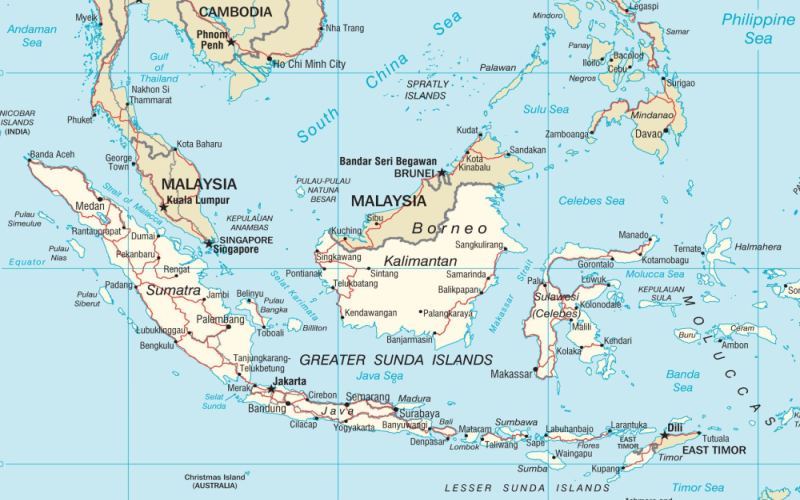
An Indonesian Coffee Tasting Journey: A Full Guide to Mandheling Favorites and the Flavors of Five Major Regions
Indonesia is made up of more than seventeen thousand islands, stretches across the equator, and is an important Arabica coffee-producing origin. This article begins with the origin of the name Mandheling and the layout of its producing regions, then goes through the terroir and flavors of five major producing regions—Sumatra Mandheling, Java, Toraja, Papua, and Flores—one by one, and explains in detail specialty beans such as Mandheling G1, PWN Golden Mandheling, peaberry, longberry, aged Mandheling, wild kopi luwak, and the treasured beans. At the end, it includes a highly cost-effective recommendation for Front Street Coffee's West Java honey-processed beans. Friends who like Indonesian beans may want to read it carefully. [more…]
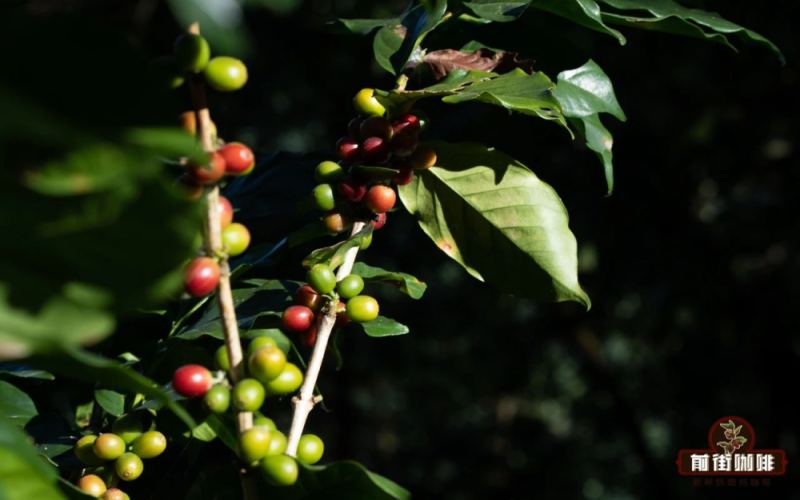
The Origins and Variety Evolution of Yunnan Small-Bean Coffee: A Planting Journey from Typica to Catimor
Yunnan is a coffee-producing region that cannot be overlooked on China's coffee map, and small-bean coffee is precisely the most representative variety of this land. From 1904, when a French missionary planted the first Typica tree in Zhukula Village, to today when Catimor has become the main cultivated variety, Yunnan small-bean coffee has undergone a thought-provoking evolution. This article will follow the two major producing regions of Pu'er and Baoshan to sort out the origins, variety changes, and processing methods of Yunnan small-bean coffee, while also presenting Front Street Coffee's cupping and brewing records for two beans, Yunnan Huaguoshan and Yunnan Small Bean, to help readers build a systematic understanding of Yunnan coffee. [more…]
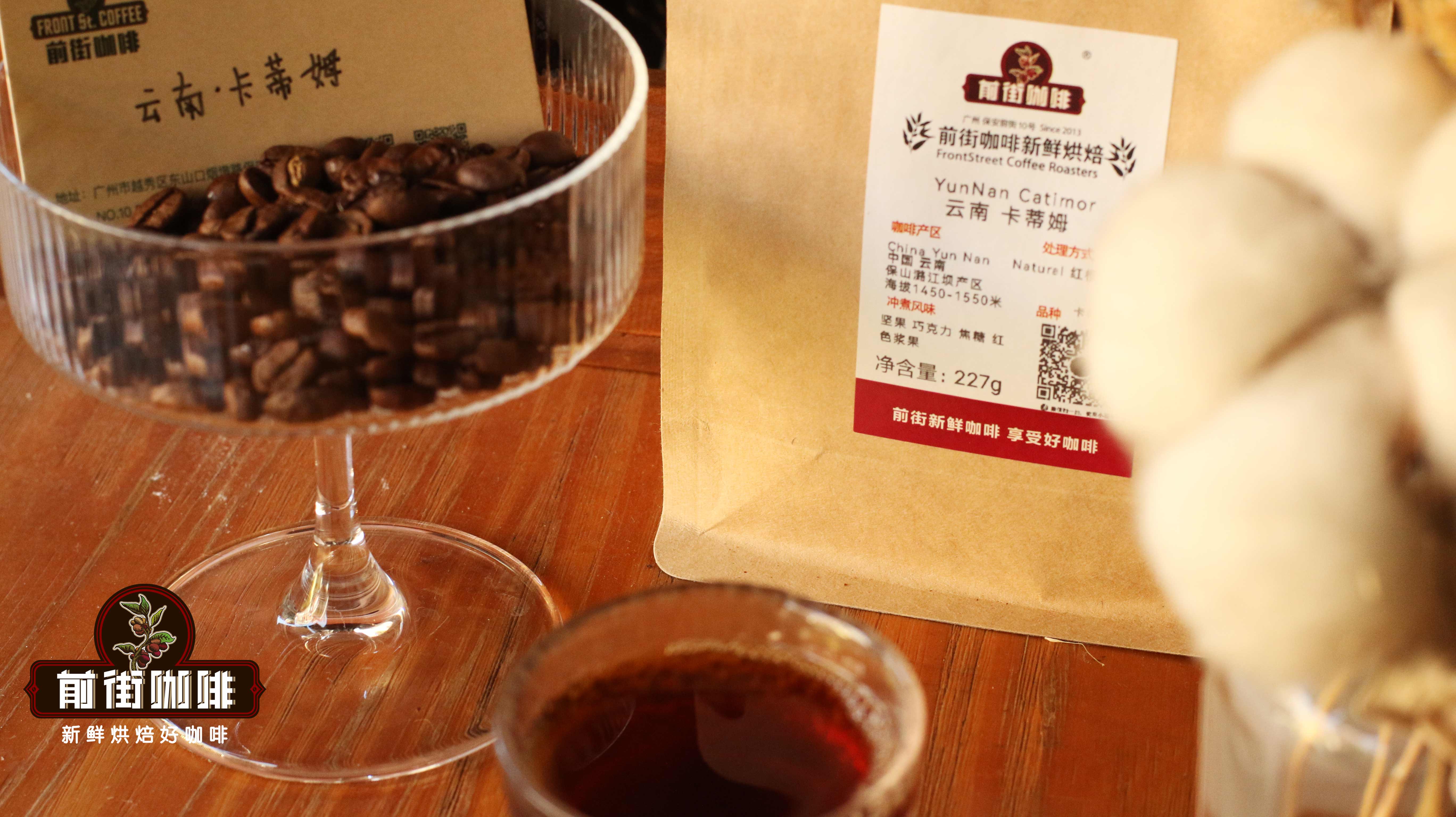
Yunnan Pu'er Small-Bean Coffee: A Full Analysis of Its Cultivation History, Processing Methods, and Roast Profile
As the core production region of Yunnan coffee, Pu'er has a planting history of more than a century and an annual output of over 50,000 tons of green coffee beans. From the first coffee tree introduced by French missionaries to Catimor becoming the main variety, what kind of evolution has Yunnan coffee undergone? What are the characteristics of washed and natural processing respectively? In this article, Front Street Coffee will take you through variety characteristics, processing methods, roasting, and brewing to systematically understand the full flavor profile of Yunnan Arabica coffee. [more…]
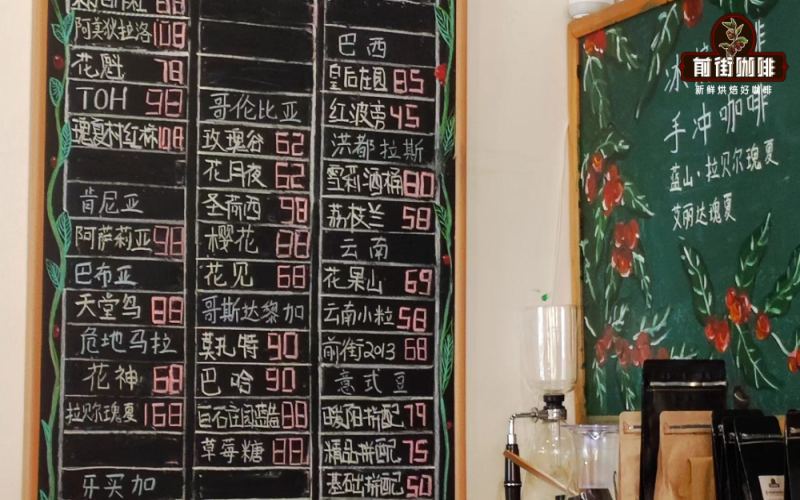
Yunnan Small-Bean Coffee Varieties, Grades, and Regional Stories: A Pour-Over Flavor Analysis from Zhukula to Baoshan
The origins of Yunnan coffee can be traced back to 1904, when French missionary Tian Deneng planted the first Typica tree in Zhukula Village, Binchuan. Over more than a century, this land has nurtured a unique arabica coffee culture. This article begins with the history of Zhukula and extends to the terroir differences between the two core producing regions, Pu'er and Baoshan. It systematically sorts out the variety sources of Yunnan arabica coffee, the shifting balance between Typica and Catimor, and the details of the washed processing method. It also includes the cupping performance and V60 brewing recipes for two beans from Front Street Coffee, Yunnan Huaguoshan and Yunnan Arabica, providing coffee lovers with a complete cognitive framework from origin to cup. [more…]
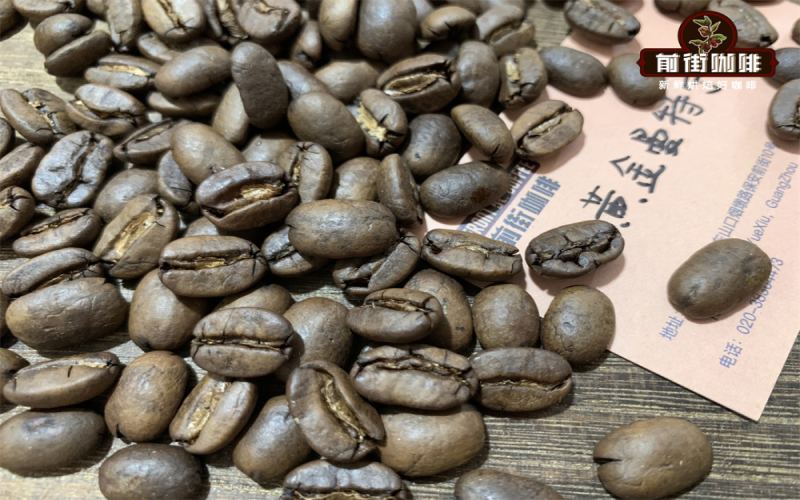
An In-Depth Guide to Indonesia Sumatra Mandheling Coffee: Regional Characteristics, Wet-Hulling Process, and Golden Mandheling
Mandheling coffee is the most representative coffee category from the Indonesian island of Sumatra, known for its full body, low acidity, and herbal and dark chocolate-caramel flavors. This article begins with two Mandheling products from Front Street Coffee, outlining the distribution of high-altitude growing regions in Aceh Province and North Sumatra Province, introducing the coffee cultivation conditions around Lake Tawar and Lake Toba, and focusing on the Golden Mandheling produced by PWN, as well as how Indonesia's unique wet-hulling process shapes the classic flavor of Mandheling. Finally, it offers suggestions for those who want to try wet-hulled specialty coffee. [more…]

Yunnan Arabica Coffee Production Regions and Flavor Analysis: Planting Characteristics in Lincang, Baoshan, Pu'er, and Dehong, and Front Street Coffee's Practices
In recent years, Yunnan coffee has risen abruptly amid the specialty coffee wave. Through advances in cultivation techniques, variety improvement, and processing methods, it has transformed from instant coffee raw material into a dark horse on the specialty coffee stage. In this article, Front Street Coffee will review the development of Yunnan coffee over more than a century, from the introduction of Typica by missionaries in 1904, to trial planting in Mangshi, expansion during the Soviet order period, and then to the flavor predicament brought by Nestlé's promotion of Catimor. It will focus on analyzing the cultivation background and small-bean coffee flavor characteristics of major producing areas such as Lincang, Baoshan, Pu'er, and Dehong. At the same time, it will share Front Street Coffee's practice of establishing an estate in Lincang and planting traditional Typica, as well as the natural-process flavor and brewing parameter suggestions for "Front Street 2013 Yunnan Typica Coffee Beans." [more…]

Mstand's lunchbox merch flops? Scratches, rough edges, small capacity—office workers complain it's all show and no go
As people return to work after the holiday, coffee chains are rolling out merchandise to grab office workers' attention. Manner is releasing its popular ceramic cup in new colors as a limited edition, while Mstand has taken a different approach with a lunchbox jokingly dubbed the "cattle and horse trough," bundled with a new coffee-flavored latte as a limited two-cup set. However, once the actual product arrived, consumers found the lunchbox riddled with scratches, rough edges on the clasps, too small a capacity, and no indication on the material that it was microwave-safe, sparking widespread complaints. From looks to practicality, this piece of merchandise seems to have failed to meet the expectations of people who bring their own lunch. [more…]
Starbucks Expands into Yunnan Coffee Regions: Front Street Explains the Flavors and Brewing Characteristics of Each Origin
In recent years, Yunnan coffee has risen prominently, gradually stepping into the public eye with its unique terroir and continuously improving specialty craftsmanship. From Pu'er to Dehong, Lincang, and Baoshan, each producing region displays a distinctly different flavor profile. Since 2013, Front Street Coffee has been conducting Typica cultivation trials in Lincang, accumulating rich origin experience. This article will guide you through a systematic understanding of the distribution of Yunnan's major coffee-producing regions, variety evolution, and processing method characteristics, along with Front Street's brewing parameters and flavor descriptions, helping you gain a comprehensive understanding of this dark horse of domestic coffee. [more…]
What is a Flat White? A Complete Analysis from Origins to Preparation, and Its Differences from a Latte and a Dirty
In recent years, a dark horse has charged into the milk coffee market—Flat White. In 2018, its sales surged 56% year-on-year, closing in on latte, which had long dominated the rankings. It originated from a rivalry between Australia and New Zealand, uses ristretto paired with thin microfoam, and comes in a cup of only about 100ml, yet delivers a more intense coffee flavor. Front Street Coffee takes you through the history and origins of the Flat White, its flavor characteristics, extraction parameters, and the core differences from latte and Dirty coffee in method, ratio, and taste, helping you easily understand this small but refined milk coffee. [more…]